
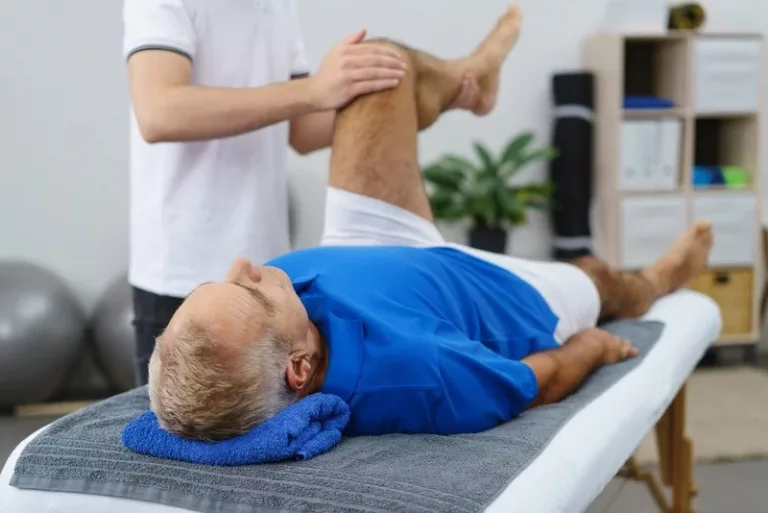
When pain returns after some time of relief, it becomes frustrating and confusing. Most people think that after discomfort goes away, the problem has also gone with it. But in reality, pain means tissue stress, muscle imbalances, and movement patterns that are unaddressed. It also means that the body requires support when pain resurfaces instead of rest alone.
Physical therapy focuses on restoring function via targeted care and identifying the source of recurring pain.
Why Does the Pain Come Back?
Pain recurrence does not happen without a reason because the body adapts to previous injuries, workload, posture, and daily habits in ways that might not become noticeable at first. Small problems can resurface as familiar sharp discomfort, stiffness, or aches over time.
Incomplete Healing After Injury
It is a common fact that rest alone does not restore function. Pain might fade after inflammation decreases after an injury, Connective tissues, joints, and muscles can become tight and weak beneath the surface. The body compensates using other muscles without guided rehabilitation, which leads to future pain and strain. Scar tissue also affects movement.
This is because healing tissue loses flexibility, as scar tissue alters joint mechanism and limits smooth movement. Restricted motion increases stress and fatigue during everyday activities.
Repetitive Everyday Movements Add Stress
Inaccurate posture at the workplace plays a role because standing, driving, and or long hours at desks affect alignment. Poor posture places uneven pressure on joints and muscles. This stress builds until pain returns over time. Household tasks contribute to recurring pain too.
Repetitive chores, carrying children, and lifting groceries place extra demand on the body. Improper movement patterns also increase strain and even the smallest habit repeated everyday can trigger recurring discomfort.
Muscle Imbalances Go Unnoticed
Strong muscles can mask weak ones because most of these muscles overwork to compensate for weaker areas. This imbalance disturbs the natural movement patterns and pain appears in the overworked muscles instead of the true source. It is important to know that limited mobility creates tension because of the spine, shoulders, and tight hips. This reduces movement efficiency. Limited range results in joints to absorb extra load, which imbalances increase discomfort and wear.
Pain Relief Without Any Root Cause Care
To get rid of this discomfort, medication must be temporarily used to reduce symptoms. Pain relief methods might calm symptoms without addressing mechanics and after medication usage is decreased, the discomfort returns. Underlying problems continue to impact posture and movement. Patients must know that passive treatments have limits, which includes massage, ice, and heat, these provide short-term relief only. Active rehabilitation provides long-term relief.
Pain and Stress Are Connected
Physical stress affects muscle tone because it causes them to tense unconsciously. Prolonged tension limits movement and circulation. This can further result in lower back, shoulder, and neck pain to return in high-stress periods. Breathing patterns also matter. Shallow breathing affects the core stability. This also reduces core support that places more demand on surrounding muscles. Such patterns contribute to returning discomfort.
Natural Changes in the Body and Aging
The joints of our body changes as we age. Joints experience changes in lubrication and cartilage, making movement feel stiffer after rest. Reduced activity also catalyzes discomfort because muscle mass declines without use. Muscle strength also decreases without regular activity and weak ones do not effectively support joints. Such changes result in returning pains even when doing small routine tasks.
How Does Physical Therapy Reduce Recurring Pain?
Physical therapy focuses on restoring movement quality, strength, and balance, this is why treatment plans must be made according to every person’s lifestyle and condition. The aim is to benefit with long-term improvement instead of temporary relief.
What is the Role of Specialized Therapy Methods?
Sports physiotherapy focuses on injury prevention, recovery, and performance for active folks. It also addresses loading patterns and sport-related movement demands. Targeted care provides safe return to activities. Physical therapy for elderly people focuses on joint comfort, strength, and balance, allowing treatment to support everyday function and independence. Care adapts to changing physical requirements.
Physical Therapy Fits Canadian Lifestyles
Physical therapy benefits people across recreational demands, family, and work. Treatment plans support physical demands and everyday schedules. Care also integrates into real life instead of disturbing it.
Pain Management via Active Care
Slow progress is the best way to build progress. And this is why physical therapy progresses at a manageable speed, allowing patients to regain trust in movement without any fear. Confidence provides better results. Reducing dependence on passive relief is also necessary because active care reduces reliance on temporary pain relief approaches. This makes movement the primary tool, which supports freedom.
Recurring pain means that the movement issue is unresolved, and ignoring such signs allows stress to accumulate. Physical therapy concerns the underlying causes via education, movement correction, and assessment. This method supports better quality of life, confidence, and comfort via each stage of activity for Canadians seeking lasting relief.
Visit Us for Sports Physiotherapy & Physical Therapy for Elderly
We offer physiotherapy for everyone, with a special focus on sports physiotherapy in Edmonton and physical therapy for elderly. Regardless of your reason for visiting, we take the time to understand your symptoms and medical history to create a personalized recovery plan.


