After a car accident, the last thing most people want is a stack of insurance paperwork. You’re sore, maybe missing work, and trying to sort out a damaged vehicle. Then you find out treatment might mean paying up front, saving receipts, and waiting weeks for reimbursement.
It doesn’t have to work that way. Many physiotherapy clinics in Alberta bill auto insurers directly, which means you focus on recovery while the clinic handles the claim. But not every clinic offers this, and the ones that do don’t always handle it the same way. Here’s how to tell the difference, and what’s changing in Alberta auto insurance next year.
What “Handling Your Claim Directly” Actually Means
When a clinic handles your motor vehicle accident (MVA) claim directly, it typically:
- Notifies the auto insurer that you’ve started treatment
- Submits the required treatment reports and plans
- Bills the insurer for covered sessions instead of charging you
- Follows up if the insurer has questions or delays payment
For patients, that usually means little or no out-of-pocket cost for covered treatment, and far less paperwork. For clinics, it means administrative work, which is why some choose not to offer it. The practical difference for you is huge: one approach lets you start treatment right away, while the other can leave you managing an insurance claim while you’re in pain.
How MVA Claims Work in Alberta Right Now
For collisions that happen before January 1, 2027, Alberta’s current system applies. Injuries such as sprains, strains, and whiplash-associated disorders are handled under the Diagnostic and Treatment Protocols Regulation, often called the DTPR. In practice, this means you can usually see a physiotherapist without a doctor’s referral, and treatment within the protocols is billed to the auto insurer.
Under the current system, medical and rehabilitation benefits are limited to medically necessary expenses of up to $50,000 over two years following a collision. For most soft tissue injuries, that’s more than enough, but it’s a limit worth knowing about if your recovery is more complicated.
A few things help your claim go smoothly:
- Report the accident to your insurer promptly. Delays can complicate approval.
- Keep your claim number handy. The clinic will need it to bill correctly.
- Book an assessment early. Documenting your injuries soon after the accident supports both your recovery and your claim.
What’s Changing in 2027
Alberta is moving to a new Care-First auto insurance system. Collisions on or after January 1, 2027, will be handled under Care-First, while earlier collisions remain under the current rules.
Under Care-First, you’ll generally access benefits through your own insurer regardless of who caused the accident. The province says treatment such as physiotherapy, chiropractic, and psychology will be available without a dollar limit, as long as it’s helping you recover. There will also be a new tribunal where people can appeal insurer decisions they disagree with.
Health care practitioners will also need to register with a new Care-First provider registry. If your collision happens in 2027 or later, it’s worth asking any clinic whether its practitioners are registered, since that may affect how smoothly your treatment is billed.
Questions to Ask Before You Book
Not every clinic that says “we accept insurance” offers the same level of support for MVA physiotherapy. Before booking, ask:
- Do you bill my auto insurer directly, or will I pay first and claim later?
- Who handles the paperwork and communication with the adjuster?
- What happens if the insurer delays or questions payment?
- Are there any costs I might be responsible for, such as services outside the approved treatment plan?
- How soon can I be seen? Early assessment matters for both recovery and documentation.
- Do you treat the specific injuries I have, like whiplash, headaches, dizziness, or back pain?
A clinic that answers these clearly and confidently has usually been through the process many times.
Why Clinic Experience is Important
Car accident injuries don’t always behave like other injuries. Whiplash can cause headaches, dizziness, jaw pain, and upper back stiffness that show up days after the collision. Some people feel fine at the scene and wake up two mornings later unable to turn their head.
A team with real experience in MVA physiotherapy knows how to assess these patterns, document them properly for your insurer, and adjust treatment as symptoms change. That combination of clinical skill and administrative know-how is what makes a direct-billing clinic genuinely helpful rather than just convenient.
How We Handle MVA Claims at Scona Sports Physiotherapy
At Scona Sports Physiotherapy, we’ve helped many Edmontonians recover after car accidents, and we know that the claims process can feel like a second injury. That’s why we can bill your auto insurer directly under Alberta’s current protocols, so you can focus on getting better instead of chasing receipts.
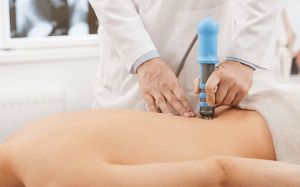
Your recovery starts with a thorough one-on-one assessment. We’ll talk through the accident and your medical history, check your pain, mobility, and strength, and build a personalized MVA physiotherapy plan. Treatment may include hands-on therapy, joint mobilization, and targeted exercises, along with practical advice on moving safely at home and at work.
You don’t need a doctor’s referral to see us, and we often have same-day or next-day appointments available. Our clinic is at 10427 80 Avenue in Edmonton. Call us at 587-324-7057 or book online, and bring your claim number to your first visit so we can get everything set up.