
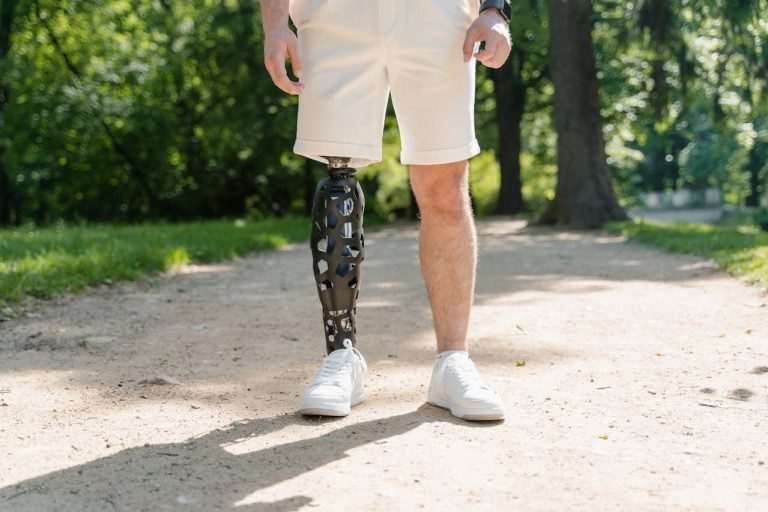
Amputation changes life in an instant. It affects movement, balance, strength, and even confidence. Recovery does not stop at surgery. In many cases, that is where the real work begins. Physiotherapy plays a central role in helping individuals regain independence, rebuild strength, and adjust to a new way of moving.
With structured guidance and steady support, physiotherapy helps people return to daily activities, work, and even sport.
Early Stage Recovery After Surgery
Physiotherapy often starts soon after surgery. At this point, the focus is on protecting the surgical site and preventing complications.
Breathing exercises may be introduced to maintain lung function, especially after major surgery. Gentle movements help maintain circulation and reduce the risk of blood clots. Positioning techniques are also important to prevent joint stiffness and muscle shortening around the residual limb.
Pain management is another key part of early care. Some individuals experience phantom limb sensations. Physiotherapists teach techniques such as desensitization and relaxation strategies to manage discomfort.
Protecting and Shaping the Residual Limb
Proper care of the residual limb is essential for future prosthetic use. Physiotherapists guide patients through exercises that reduce swelling and promote healing. Compression bandaging is often used to shape the limb, preparing it for a prosthesis. Patients are taught how to apply and manage these bandages safely.
Maintaining joint mobility is equally important. For example, after a below knee amputation, the knee joint must stay flexible. If stiffness develops, walking with a prosthesis becomes more difficult.
Strength and Balance Training
After amputation, the body’s balance changes significantly. Muscles on one side may weaken, while others overcompensate. Physiotherapy includes strengthening exercises for the remaining limb, core muscles, and upper body. Strong arms and shoulders are especially important for individuals who use crutches or walkers.
Balance training is introduced gradually. At first, it may involve sitting balance exercises. Later, patients practice standing with support. These exercises rebuild confidence and reduce the risk of falls. Core stability exercises are also a major focus. A stable core helps control posture and improves overall movement.
Preparing for a Prosthesis
Once the surgical site has healed and swelling has reduced, the next stage involves prosthetic training. Physiotherapists teach patients how to put on and remove their prosthesis correctly. Standing and weight shifting exercises help the body adjust to the new device.
Gait training follows. This involves learning how to walk with proper posture, step length, and rhythm. At first, parallel bars provide support. Over time, patients progress to walking independently.
The goal is smooth, controlled movement that reduces strain on the hips and lower back. Without proper guidance, poor walking patterns can lead to secondary pain issues.
Regaining Independence in Daily Life
Physiotherapy goes beyond walking. It also focuses on daily activities. Patients practice sitting down and standing up safely. They learn how to climb stairs, get in and out of a car, and move on different surfaces.
Occupational therapists often work alongside physiotherapists to address home and workplace tasks. Together, they help individuals return to routine life with greater confidence. Emotional support also plays a part in recovery. Adjusting to limb loss can be overwhelming. Encouragement from a rehabilitation team helps build motivation and resilience.
The Role of Sports Physiotherapy
For individuals who were active before amputation, returning to sport can be an important goal. Sports physiotherapy supports this process.
Athletes require specialized training to improve agility, coordination, and endurance. Prosthetic devices for sports differ from everyday walking prostheses. Physiotherapists work closely with prosthetists to ensure proper fit and function.
Training may include running drills, strength conditioning, and sport specific exercises. The aim is safe performance without overloading the body.
Long Term Care and Injury Prevention
Recovery does not end once someone is walking comfortably. Ongoing physiotherapy helps prevent future problems. Overuse injuries can develop in the remaining limb due to increased load. Regular strengthening and stretching reduce this risk.
Postural checks are also important. Poor alignment can lead to hip, knee, or back pain over time. Follow up sessions allow adjustments in exercise programs as strength and mobility improve.
A Process Built on Patience and Progress
Rehabilitation after amputation takes time. Each person’s recovery pace is different. Some progress quickly, while others need extended support. Physiotherapy provides structure during this period. Through guided exercises, mobility training, and emotional encouragement, individuals rebuild confidence step by step.
The body adapts in remarkable ways. With consistent effort and professional guidance, many people return to active, fulfilling lives. From daily tasks to athletic goals, physiotherapy lays the foundation for strength, stability, and renewed independence.
Visit Us for Sports Physiotherapy in Edmonton
If you require sports physiotherapy in Edmonton, our clinic is here to help. Our team of experienced therapists specializes in treating sports-related injuries and helping athletes recover from surgery or overuse. We offer a range of services including manual therapy, customized exercise programs, and education on injury prevention techniques.


