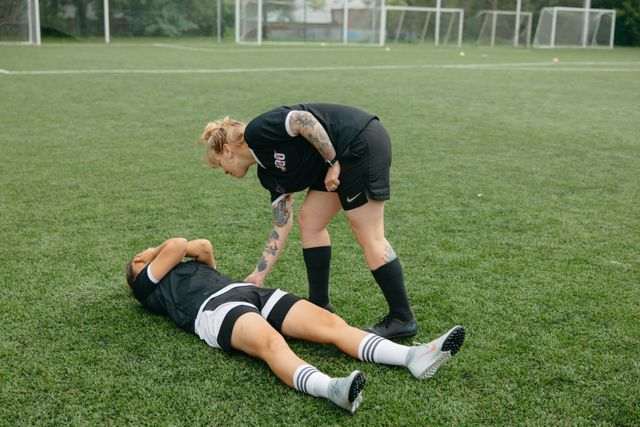
Summer in Edmonton is the season to get outside and stay active. From soccer matches and tennis games to trail running, cycling, pickleball, and weekend baseball leagues, people of all ages spend more time moving. While that’s great for overall health, it also means sports injuries become much more common.
The good news is that many sports injuries respond well to early treatment. Instead of waiting for the pain to disappear on its own, understanding what’s happening and getting the right care can speed recovery while reducing the risk of future problems. That’s where a sport physiotherapist in Edmonton can make a significant difference.
Why Summer Brings More Sports Injuries
During colder months, many people are less active or stick to indoor exercise. Once summer arrives, activity levels often increase dramatically. Weekend warriors jump back into sports after months away, runners increase their mileage, and recreational leagues fill up.
Unfortunately, muscles, tendons, and joints don’t always adapt as quickly as enthusiasm does. Common factors behind summer injuries include:
- Doing too much too soon
- Skipping warm-ups
- Muscle weakness or poor flexibility
- Fatigue from prolonged activity
- Improper footwear or equipment
- Uneven outdoor surfaces
Many injuries don’t happen because of one major accident. Instead, they develop after repeated stress placed on tissues that aren’t fully prepared for the demands.
Sprained Ankles: One of Summer’s Most Common Injuries
An ankle sprain happens when the ligaments supporting the ankle stretch beyond their normal range or tear. It’s one of the most frequent injuries seen in recreational sports.
People commonly sprain an ankle while:
- Landing awkwardly after jumping
- Rolling the foot during a run
- Stepping on uneven trails or grass
- Changing direction quickly during soccer or basketball
Symptoms often include swelling, bruising, tenderness, difficulty walking, and reduced range of motion.
One of the biggest mistakes people make is returning to activity as soon as the pain decreases. Pain often improves before strength, balance, and joint stability have fully recovered. Physiotherapy focuses on restoring mobility, rebuilding strength, improving balance, and retraining movement patterns so the joint becomes stable again.
Shoulder Strains Are More Common Than You Think
Shoulder pain isn’t limited to professional athletes. Recreational sports that involve repeated overhead movement frequently lead to muscle strains or tendon irritation.
Common summer activities that place stress on the shoulder include:
- Tennis
- Swimming
- Baseball
- Volleyball
- Golf
- Kayaking
Early symptoms often begin subtly. You might notice soreness after activity, stiffness the following morning, or discomfort when reaching overhead. Ignoring these warning signs allows inflammation to build until simple daily tasks become painful.
A proper assessment helps determine whether the issue involves muscles, tendons, joint mechanics, or movement habits. Rather than simply treating pain, physiotherapy addresses the underlying problem so normal function returns more effectively.
When Should You See a Physiotherapist?
Many people wonder if they should wait a few weeks before seeking treatment. While minor muscle soreness often improves naturally, certain symptoms deserve professional attention.
Consider booking an assessment if you experience:
- Pain lasting longer than several days
- Swelling that doesn’t improve
- Difficulty putting weight on a joint
- Limited range of motion
- Weakness during activity
- Pain that returns every time you play sports
- Frequent re-injury of the same body part
Visiting a sport physiotherapist in Edmonton early doesn’t necessarily mean a lengthy treatment plan. In many cases, prompt intervention helps prevent a minor injury from becoming a chronic condition requiring months of rehabilitation.
What Happens During Sports Physiotherapy?
Many first-time patients expect treatment to consist only of stretches or massage. Modern sports physiotherapy is much more comprehensive.
An assessment typically includes:
- Reviewing how the injury occurred
- Examining movement patterns
- Testing joint mobility
- Measuring muscle strength
- Evaluating balance and coordination
- Identifying contributing weaknesses
Treatment may involve hands-on therapy, mobility exercises, strengthening programs, balance training, sport-specific rehabilitation, and education about preventing future injuries. Perhaps most importantly, rehabilitation progresses gradually. Instead of simply waiting until pain disappears, you’ll rebuild the strength and control needed to safely return to your chosen activity.
Don’t Ignore Small Injuries
Many athletes continue playing through discomfort because the pain seems manageable. Unfortunately, compensating for one painful area often places additional stress elsewhere.
For example:
- A sore ankle may alter walking mechanics, eventually causing knee pain.
- Shoulder weakness may lead to neck or upper back tension.
- Hip stiffness can contribute to knee or lower back problems.
Addressing injuries early often prevents these secondary issues from developing. Small problems are generally much easier to treat than long-standing movement dysfunctions.
Staying Active Without Getting Hurt
No one can eliminate injury risk completely, but simple habits can dramatically reduce it.
Remember to:
- Warm up before every activity.
- Increase training gradually instead of making sudden jumps.
- Wear appropriate footwear.
- Stay hydrated during hot weather.
- Strengthen the muscles that support your joints.
- Listen to pain instead of pushing through it.
- Allow adequate recovery between intense workouts.
These preventive measures help your body tolerate higher activity levels while lowering the likelihood of common summer injuries.
Recover Stronger with Scona Sports & Physiotherapy
At Scona Sports & Physiotherapy, we know how frustrating it is when an injury keeps you away from the activities you love. That’s why we focus on personalized, evidence-based care designed to reduce pain, restore movement, and help you return to sports safely.
Whether you’re dealing with a sprained ankle, shoulder strain, or another activity-related injury, our experienced team creates treatment plans tailored to your goals. If you’re looking for a trusted sport physiotherapist in Edmonton, we’re here to help you move confidently again with hands-on therapy, customized rehabilitation, and ongoing support every step of the way.