If you’ve started physiotherapy after an injury, you may have found yourself wondering if your treatment is missing something. One appointment involves massage and joint mobilization, while another focuses entirely on stretches and strengthening exercises. So, which approach is better?
The answer might surprise you: both have an important role to play.
A good physiotherapy program isn’t about choosing one over the other. It’s about using the right combination at the right time. Hands-on manual therapy and exercise therapy each serve a purpose, and the best results often come when they’re used together.
What Is Manual Therapy?
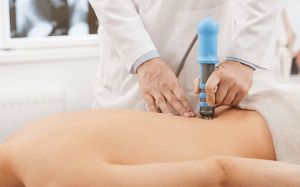
Manual therapy refers to the hands-on techniques performed by a physiotherapist. These treatments are designed to reduce pain, improve mobility, and help your body move more naturally.
Common forms of manual therapy include:
- Joint mobilization
- Soft tissue release
- Myofascial release
- Massage techniques
- Stretching
- Spinal manipulation
- Trigger point therapy
Manual therapy can help relieve tightness, stiffness, and discomfort, especially when movement is painful or restricted. For many people, these techniques provide immediate relief and make it easier to perform rehabilitation exercises.
What About Exercises?
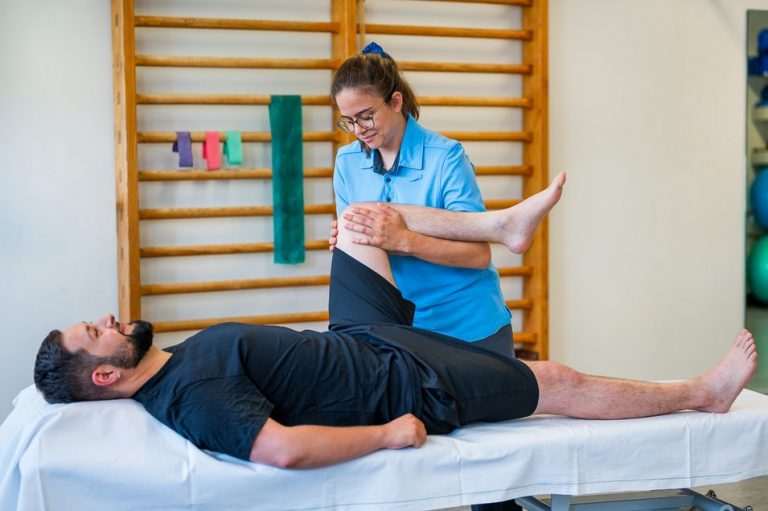
Exercise therapy is the active part of physiotherapy. It focuses on strengthening muscles, improving flexibility, restoring balance, and preventing future injuries.
Your program may include:
- Stretching routines
- Strength exercises
- Core stability work
- Balance training
- Mobility exercises
- Posture correction
- Functional movements
Unlike manual therapy, exercises give you tools to continue your recovery outside the clinic. They address the underlying cause of the problem instead of simply reducing symptoms.
So, Which One Is More Important?
Neither. Manual therapy and exercise complement each other. Think of manual therapy as opening the door and exercise as helping you walk through it.
Hands-on treatment may ease pain and improve movement, but if weak muscles, poor posture, or movement patterns aren’t corrected, symptoms often return. Similarly, jumping straight into exercises while you’re in severe pain may be frustrating and ineffective.
Most physiotherapists use a combination of both approaches to help patients recover faster.
When Is Manual Therapy Most Helpful?
Hands-on treatment can be especially beneficial when:
- You Have Acute Pain: If you recently injured your neck, back, shoulder, or knee, pain and stiffness may limit your movement. Manual therapy can help reduce discomfort and restore mobility.
- Your Joints Feel Restricted: After surgery or injury, scar tissue and inflammation may limit motion. Mobilization techniques can help improve flexibility.
- Muscles Are Tight or Guarding: Muscle tension often develops as the body tries to protect an injured area. Soft tissue treatment can help release those tight muscles.
- You Need Short-Term Pain Relief: Manual therapy can provide relief that allows you to move comfortably and participate in your rehabilitation exercises.
When Are Exercises More Important?
Exercises become increasingly important because they create long-term improvements.
They’re especially useful when dealing with:
- Chronic Pain: Conditions that have been present for months often require strengthening and movement retraining.
- Sports Injuries: Athletes need rehabilitation exercises to restore strength and prevent re-injury.
- Poor Posture: Hours spent sitting at a desk can weaken muscles and create imbalances that contribute to pain.
- Recovery After Surgery: Progressive exercises help rebuild mobility, coordination, and strength.
- Preventing Future Problems: Strong muscles and proper movement patterns help keep injuries from coming back.
Is It Normal if My Physio Doesn’t Do Much Hands-On Treatment?
Absolutely.
Many people expect physiotherapy to involve massage or manual techniques at every visit. In reality, evidence-based physiotherapy focuses heavily on active rehabilitation.
Some conditions simply respond better to exercise than hands-on treatment. If you’ve searched online for physiotherapy near me, you’ve probably noticed that treatment styles vary between clinics and practitioners. Some emphasize manual therapy, while others focus more on exercise programs. The best physiotherapists tailor treatment to your individual needs rather than relying on a one-size-fits-all approach.
What Does Research Say?
Research consistently shows that exercise is one of the most effective tools for long-term recovery. However, manual therapy can improve pain and movement in the short term, making it easier to perform those exercises.
In other words, neither approach should stand alone. Successful rehabilitation usually combines:
- Education
- Hands-on treatment when appropriate
- Strengthening exercises
- Mobility work
- Functional training
- Lifestyle modifications
A balanced treatment plan tends to deliver better outcomes than relying solely on passive treatments.
Communication Matters
If you’re unsure why your physiotherapist is choosing certain treatments, ask questions.
A good physiotherapist should explain:
- Why specific treatments are being used
- What goals you’re working toward
- How long recovery may take
- What exercises you should continue at home
- What you can do to prevent future injuries
Understanding the process helps you stay engaged and confident in your recovery.
The Goal Is Independence
Ultimately, physiotherapy isn’t about keeping you dependent on appointments forever.
The goal is to get you back to doing the things you love without pain or limitations. Manual therapy may provide relief, but exercises give you the strength and control needed to maintain those results.
The most effective treatment plans don’t ask you to choose between hands-on therapy and exercise. Instead, they use both strategically to support your recovery.
Recover With Scona Sports & Physiotherapy
At Scona Sports & Physiotherapy, our experienced physiotherapist in Edmonton takes a personalized approach to recovery. We understand that every injury and every patient is different, which is why we combine hands-on treatment, targeted exercises, and evidence-based care to help you move better and feel stronger.
Whether you’re recovering from a sports injury, surgery, chronic pain, or everyday aches, we work with you to create a treatment plan that fits your goals and lifestyle. We believe in empowering our patients with the tools they need for long-term success and a healthier, more active life.