Knee pain can make even simple daily activities feel challenging. Walking up stairs, getting out of a chair, kneeling in the garden, or enjoying your favorite sport may suddenly become uncomfortable. One of the biggest questions people ask is, “Is this arthritis, or did I tear something?”
While arthritis and meniscus tears both cause knee pain, they are very different conditions that require different approaches to treatment. Understanding the signs can help you seek the right care sooner and avoid making the problem worse. In many cases, sports physiotherapy plays a key role in identifying the true source of knee pain and creating an effective recovery plan.
Understanding Knee Arthritis
Arthritis develops gradually as the cartilage that cushions the knee joint wears down over time. It is more common as people age, but previous injuries, excess body weight, genetics, and repetitive stress can also contribute to its development.
Unlike a sudden injury, arthritis usually appears slowly. Many people notice occasional stiffness before experiencing regular pain.
Common symptoms include:
- Morning stiffness that improves with movement
- Pain after long periods of sitting
- Aching during or after activity
- Swelling that comes and goes
- Grinding or cracking sensations
- Reduced flexibility
The discomfort often affects the entire knee rather than one specific spot. Some days may feel better than others, especially depending on activity levels or weather changes.
What Is a Meniscus Tear?
The meniscus is a C-shaped piece of cartilage that acts as a shock absorber between the thigh bone and shin bone. Each knee contains two menisci that help stabilize the joint and distribute weight evenly.
A meniscus tear often happens suddenly during sports or physical activity. Twisting the knee while the foot remains planted is one of the most common causes. However, older adults can also develop degenerative tears from everyday movements as the cartilage naturally becomes less resilient.
Common causes include:
- Sudden twisting while playing sports
- Squatting with a heavy load
- Pivoting quickly
- Falling awkwardly
- Gradual wear over time
Symptoms That Suggest a Meniscus Tear
Although every injury is different, meniscus tears often produce symptoms that differ from arthritis.
You may notice:
- Sharp pain along the inside or outside of the knee
- Swelling within several hours or the next day
- Clicking or catching sensations
- Difficulty fully straightening or bending the knee
- The knee locking in place
- Pain during twisting movements
Many people clearly remember the moment the injury happened, especially during recreational sports, running, soccer, basketball, or pickleball.
Arthritis vs. Meniscus Tear: Key Differences
Although both conditions can cause knee pain, there are some important differences that may help point toward the underlying problem.
Arthritis typically:
- Develops gradually over months or years
- Causes morning stiffness that improves with movement
- Produces a dull, aching pain that may affect the entire knee
- Is often accompanied by grinding or crunching sensations
- Becomes worse after prolonged activity or long periods of inactivity
A meniscus tear typically:
- Occurs after a twisting movement or sudden injury, though it can also develop gradually with age
- Causes sharp, localized pain on the inside or outside of the knee
- May lead to swelling within hours or the following day
- Can cause the knee to catch, click, or lock during movement
- Often makes twisting, squatting, or pivoting particularly painful
It’s worth noting that some people actually have both conditions at the same time, particularly older adults who develop a meniscus tear in a knee already affected by arthritis.
Why Self-Diagnosing Can Be Misleading
Many people search their symptoms online and assume they know the answer. Unfortunately, knee pain isn’t always straightforward.
Other conditions that can mimic arthritis or a meniscus tear include:
- Ligament injuries
- Tendon irritation
- Patellofemoral pain syndrome
- Bursitis
- Cartilage injuries
- Muscle imbalances
Treating the wrong condition can delay healing. For example, continuing high-impact exercise on a torn meniscus may worsen the injury, while avoiding all movement because of arthritis can actually increase stiffness and weakness.
That’s why a thorough physical assessment is often more valuable than guessing based on symptoms alone.
How Physiotherapy Helps
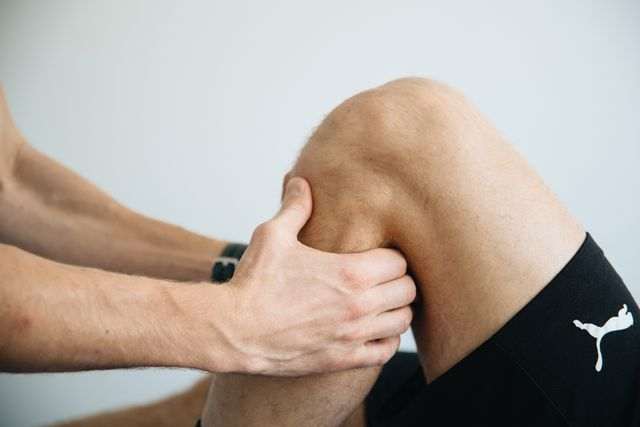
A physiotherapist doesn’t simply focus on where the pain is located. They evaluate how your entire leg moves, how your muscles support the knee, and what activities trigger your symptoms.
A comprehensive assessment may include:
- Joint mobility testing
- Strength assessment
- Balance evaluation
- Walking analysis
- Functional movement testing
- Special orthopedic tests
From there, treatment is customized to your diagnosis and goals. For arthritis, treatment often focuses on improving joint mobility, strengthening surrounding muscles, reducing stiffness, and helping you stay active without aggravating symptoms.
For a meniscus injury, rehabilitation may involve controlling swelling, restoring range of motion, rebuilding strength, improving stability, and gradually returning to normal activities.
Many people are surprised to learn that surgery isn’t always necessary for a meniscus tear. Conservative treatment with sports physiotherapy can often produce excellent results, depending on the type and severity of the injury.
When Should You Seek Professional Care?
Don’t ignore knee pain that continues beyond a few days or keeps returning after activity.
Consider scheduling an assessment if you experience:
- Swelling that doesn’t improve
- Difficulty walking normally
- Knee locking or giving way
- Persistent pain lasting several weeks
- Limited movement
- Pain that interferes with work or sports
- Repeated flare-ups
Early assessment often leads to faster recovery and helps prevent small problems from becoming long-term issues.
Let Us Help You Get Back to Moving Comfortably
At Scona Sports & Physiotherapy, we understand that every knee injury is different. Whether your pain is caused by arthritis, a meniscus tear, or another underlying condition, we take the time to perform a thorough assessment before creating a treatment plan that’s tailored to your needs.
Using evidence-based techniques, hands-on therapy, and personalized rehabilitation programs, we help our patients reduce pain, improve mobility, and return to the activities they enjoy with confidence. If knee pain is slowing you down, we’re here to help you move better and recover stronger.