Hip flexor pain has a way of showing up in everyday moments. You feel a pinch in the front of your hip as you climb the stairs, a pull when you lift your knee to put on your shoes, or a dull ache after a long drive. For athletes, it can strike mid-sprint or during a hard kick and linger for weeks.
The good news is that most hip flexor pain responds well to the right treatment. The key is understanding what is causing it, because a strain, a tendon problem and pain from long hours at a desk all need slightly different approaches. If you have been typing “best sports physiotherapy near me” into your phone after another painful run or workday, this guide explains what might be going on and how physiotherapy can help.
What Are the Hip Flexors?
The hip flexors are a group of muscles at the front of your hip that lift your thigh toward your body and help bend you forward at the waist. The main ones are:
- Iliopsoas: a deep muscle running from your lower spine and pelvis to the top of your thigh bone. It is the strongest hip flexor.
- Rectus femoris: one of the quadriceps muscles, which crosses both the hip and the knee.
- Sartorius, tensor fasciae latae and others: smaller muscles that assist with hip movement and stability.
You use these muscles every time you walk, run, climb stairs, kick a ball or get out of a chair. Because they work so constantly, they are vulnerable to both sudden injury and gradual overload.
Common Causes of Hip Flexor Pain
1. Hip Flexor Strain
A strain happens when the muscle fibers are overstretched or torn. It is common in sports that involve sprinting, kicking or quick changes of direction, such as soccer, hockey, football and martial arts. Strains often happen when the muscle is working hard while being stretched, like the moment you swing your leg back before a kick.
Strains are graded by severity. A mild strain causes tightness and discomfort. A more serious one can cause sharp pain, bruising, weakness and difficulty lifting the leg.
2. Prolonged Sitting
When you sit, your hip flexors stay shortened. If you spend eight or more hours a day at a desk, followed by a commute and an evening on the couch, those muscles can become stiff and less able to lengthen when you stand and move. Many people notice tightness or an ache at the front of the hip, sometimes along with lower back discomfort.
3. Weak Glutes and Core
Your hip flexors do not work alone. When the glutes and deep core muscles are weak or not engaging well, the hip flexors often pick up extra work to stabilize the pelvis and move the leg. Over time, that overload can lead to pain, tightness and fatigue, especially in runners and people who have recently increased their activity.
4. Hip Flexor Tendinopathy
Tendinopathy is irritation and breakdown of the tendon that connects the muscle to the bone. It usually develops from repetitive loading rather than a single injury, such as high running mileage, lots of uphill work, cycling or repeated kicking. Pain tends to build gradually and is often worse at the start of activity or after rest.
5. Iliopsoas Bursitis
A bursa is a small fluid-filled sac that reduces friction between tissues. The iliopsoas bursa sits beneath the iliopsoas muscle, and when it becomes inflamed, it can cause pain at the front of the hip and groin that worsens with activity.
6. Snapping Hip
Some people feel or hear a click or snap at the front of the hip as they move their leg. This often happens when the iliopsoas tendon slides over a bony structure. It is not always painful, but when it is, it usually points to tightness, weakness or a movement pattern that needs attention.
7. Pain That Feels Like the Hip Flexors but Is Not
Not every pain at the front of the hip comes from the hip flexors. Problems in the hip joint itself, such as a labral tear, hip impingement or early arthritis, can cause similar symptoms. Irritation in the lower back can also refer pain into the hip and groin. This is why a proper assessment matters before you start treating the problem on your own.
How Physiotherapy Helps With Hip Flexor Pain
A Thorough Assessment
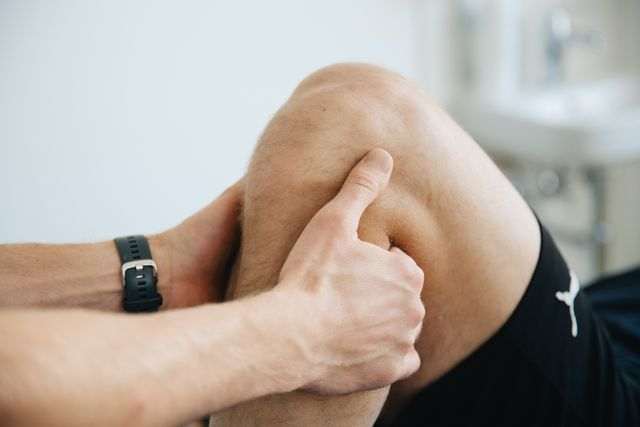
Your physiotherapist starts by asking how and when the pain began, what activities make it worse, and what your goals are. They then assess your hip, pelvis and lower back, checking strength, flexibility, joint movement and how you walk, squat or run. This helps identify the true source of the pain and any factors contributing to it.
Pain Relief and Hands-On Care
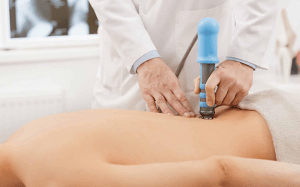
In the early stages, the focus is on calming things down. Depending on what is causing your pain, treatment may include manual therapy, soft tissue release, dry needling or shockwave therapy, along with guidance on which activities to modify while the tissue heals.
Targeted Strengthening
Strength is the foundation of long-term recovery. Your plan will usually include progressive exercises for the hip flexors themselves, as well as the glutes, core and surrounding muscles that support the hip. As your strength improves, exercises are made more challenging to prepare you for the demands of your sport or daily life.
Mobility and Flexibility
For people who sit a lot, restoring normal hip extension and flexibility can make a big difference. Your physiotherapist will show you how to stretch and mobilize the hip safely, without aggravating an injured muscle or tendon.
Movement Retraining
Sometimes the problem is how you move, not just how strong you are. Your physiotherapist may look at your running form, your kicking technique or the way you lift and bend, and help you build patterns that spread the load more evenly.
A Safe Return to Sport
For athletes, the final stage involves sport-specific drills, such as sprinting, cutting, kicking or skating, introduced gradually. Returning too early is one of the most common reasons hip flexor injuries come back, so this phase is just as important as the early treatment. That is why people looking for the best sports physiotherapy near me usually want a clinician who understands their sport, not just their injury.
Simple Ways to Protect Your Hip Flexors
While you wait for an assessment, or once you are on the mend, a few habits help:
- Break up long periods of sitting. Stand up and move every 30 to 45 minutes.
- Warm up before exercise. Leg swings, lunges and light jogging prepare the hips for harder work.
- Build training load gradually. Avoid big jumps in running distance, speed work or hill training.
- Do not ignore your glutes and core. Strong support muscles reduce the strain on your hip flexors.
- Respect pain. Mild discomfort during exercise can be fine, but sharp or worsening pain is a signal to stop and get checked.
When to Seek Help Right Away
Contact a doctor or seek urgent care if your hip pain follows a fall or major impact, if you cannot put weight on the leg, if the area is very swollen, red or warm, if you have a fever, or if you notice numbness, tingling or weakness spreading down the leg. These symptoms need medical assessment before physiotherapy.
Get Back to Moving Freely at Scona Sports & Physiotherapy
Hip flexor pain can stop you from running, training, working comfortably and enjoying your everyday activities. With the right assessment and a clear plan, most people make a full recovery and learn how to keep the problem from returning.
At Scona Sports & Physiotherapy, we start every new client with a thorough assessment, then build a personalized plan that combines hands-on therapy, therapeutic exercise and education you can use at home.
Our sessions are one-on-one, we direct bill most major insurers, and no referral is needed to book. If you are searching for the best sports physiotherapy near me in Edmonton, visit us at 10427 80 Ave NW, Edmonton, or call 587-324-7057 to book your assessment.